
Platform · Physical layer
DC BUS — the physical backbone
The physical DC backbone. SST, BusWay, PCS, protection, and grid interface in one architecture — current flagship 800 V DC. Not a single product — a common DC backplane for generation, storage, charging, and industrial loads.
Why it matters
AC was never designed for distributed energy
Every C&I project starts with “Can I connect?” Bidirectional DERs fight one-way AC trees. The DC BUS is engineered so sources and loads share one spine.
Stage path
- Solar
- Storage
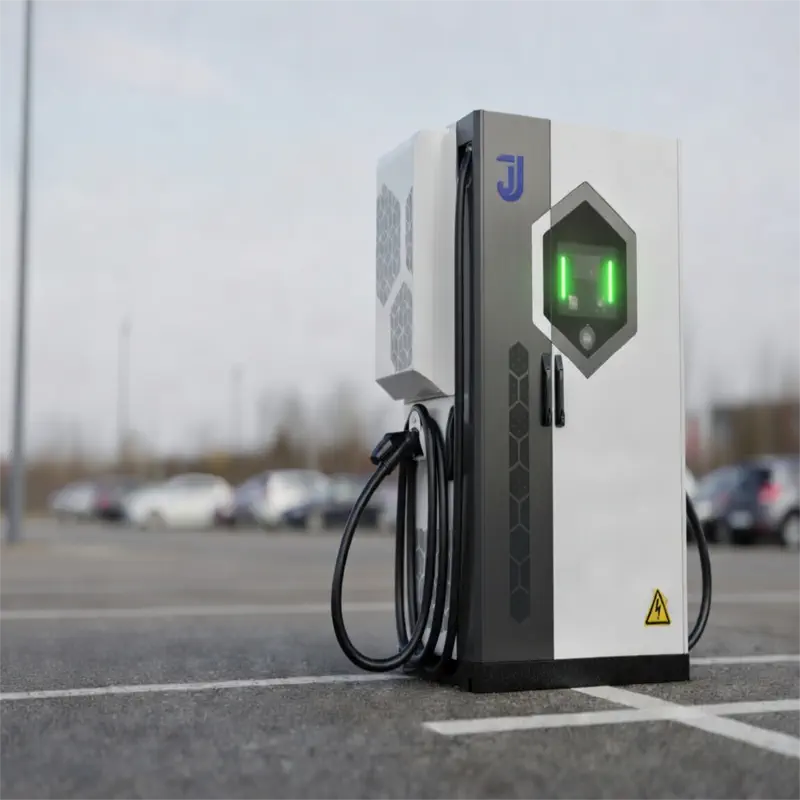
- EV chargers
- Industrial loads
- Heat
- Protection
- Meters
- EMS
Components
What sits on the DC BUS
Architecture building blocks from the platform definition — hardware products are design-target maturity until each SKU ships.
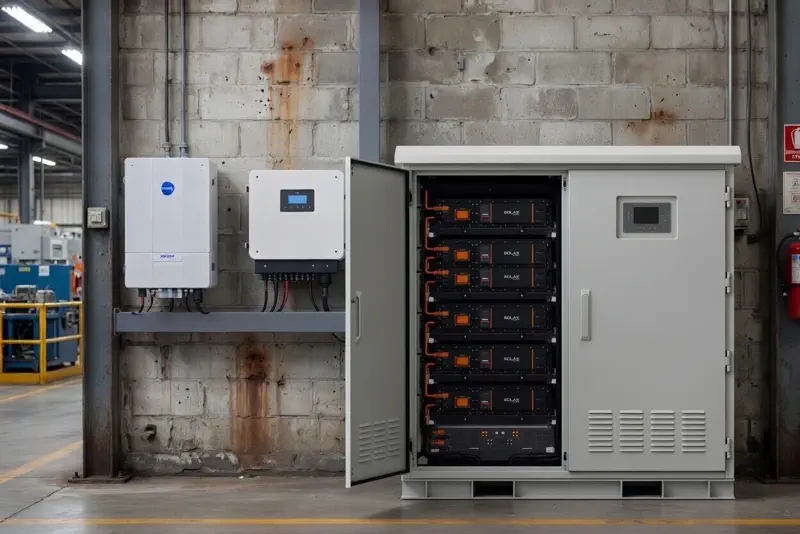
- Solid State Transformer (SST)
- DC BusWay
- Power Conversion System (PCS)
- Protection, controls
- DC arc protection — native DC arc detection, digital protection relays
Design target
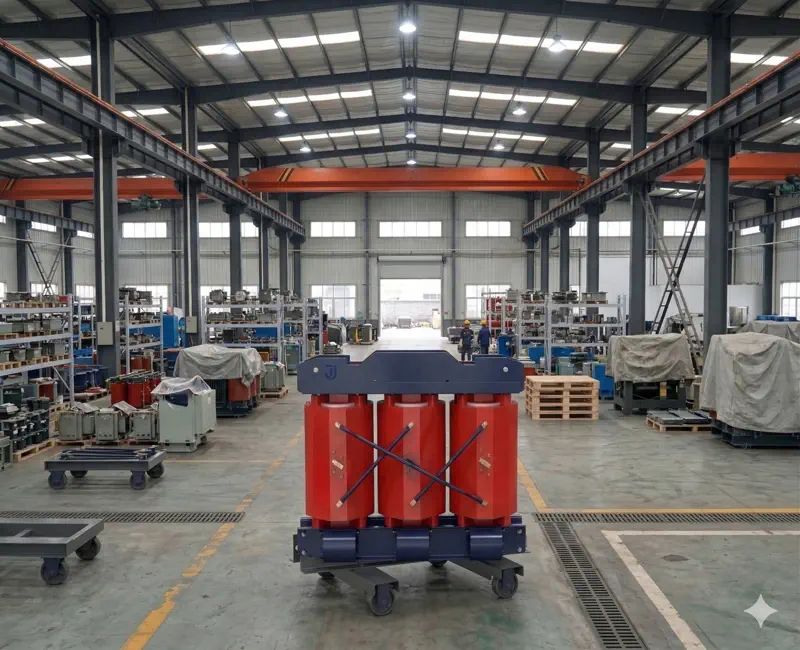
Solid State Transformer
MV AC → 800V DC in one step. No 50 Hz transformer.
Details →Design target
800V DC BusWay
The physical backbone. Plug-in DC distribution.
Details →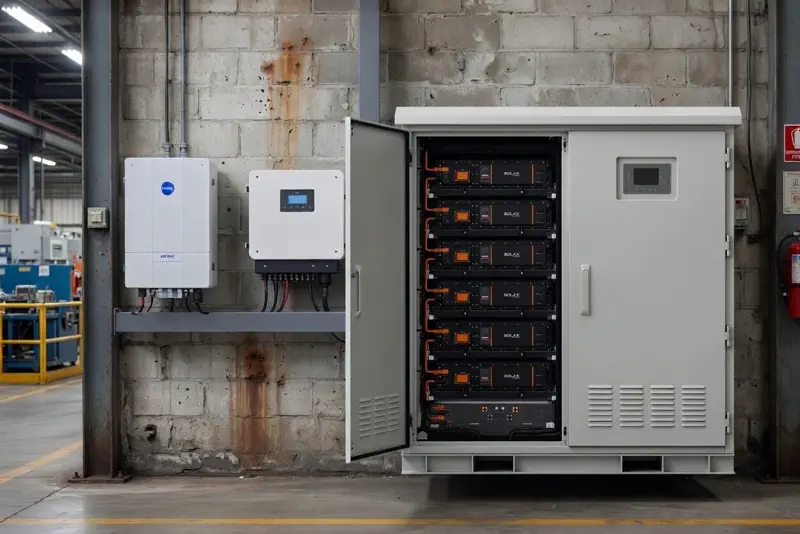
Design target
Power Conversion System
Bidirectional AC ↔ DC conversion. Grid-forming capable.
Details →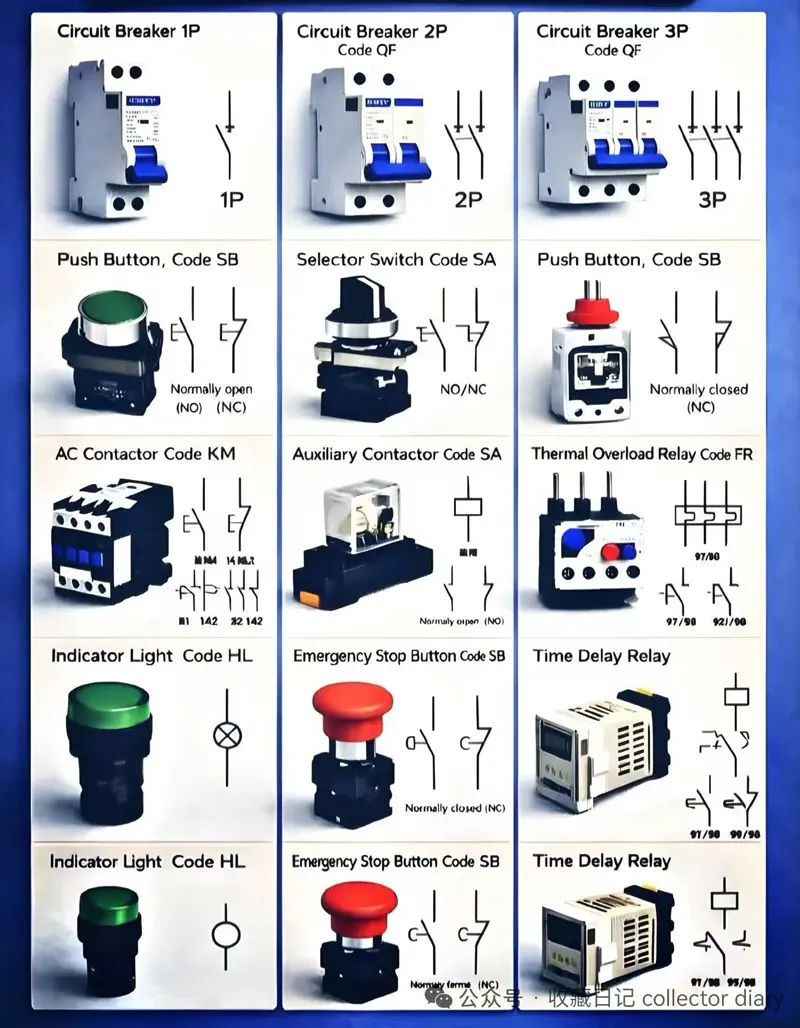
Design target
DC Protection
Native DC arc detection. Not adapted AC switchgear.
Details →Grid interface
Utility-ready connection — by design
Every C&I project starts with “can I connect?” The DC BUS targets these grid-facing capabilities at the architecture layer.
- Grid-forming PCS
- Grid-following PCS
- Export limiting
- Dynamic connection management
- Volt/VAR optimisation
- Frequency response
- Black start capability
- Utility interoperability
Standards
Open by design
Interfaces target open standards so the bus can interoperate with utilities, chargers, and EMS — not a claim that every SKU is certified today.
Building on 800V DC infrastructure?
Talk with Joule Junction about your site — grid connection, load profile, expansion plan.